Table of Contents
- The Two-Step Approach to Winning Products
- Testing Product Ideas With Mockups
- Strategies for Testing Across Channels
- The Complete Research-to-Launch Workflow
- Why This Approach Reduces Risk
- Conclusion
- Frequently Asked Questions
Introduction
Finding winning products is only half the battle for POD sellers and e-commerce merchants. Even the most promising product ideas can fail without proper validation—especially when it comes to visual appeal. How can we sell products that don't capture customer attention? That's where combining product research tools with visual mockup testing becomes a game-changer. This guide walks you through how to use market research data to shortlist good product ideas, then use free mockup generator to leverage high-quality mockups to validate their visual impact before you invest heavily in inventory, ads, or marketing campaigns.
The Two-Step Approach to Winning Products
According to Shopify’s product research guide, effective validation involves analyzing market size and customer behavior. Yet, a data-backed idea only succeeds if customers are visually attracted to it. Consequently, the workflow is straightforward: use research tools to identify what to sell, then use realistic mockup generation to validate how to sell it.
Step 1: Research Reveals Direction:
Before creating visuals, you need a solid foundation based on data. Here is how to approach the research phase effectively:
Identify Market Demand and Trends
Start by determining what categories are moving. Market-based research tools are essential for spotting opportunities.
- Search Volume: Use Google Trends to monitor interest over time for potential niches.
- Platform Data: Check trending products on Amazon bestsellers or Niche Scraper to see what is gaining momentum.
- Social Signals: For POD sellers, look at what designs are trending on TikTok or Pinterest. Are customers searching for sustainable goods or personalized gifts? Furthermore, use social listening tools to monitor real conversations, as unfiltered customer sentiment is often gold.
Evaluate the Competitive Landscape
Next, assess whether you can stand out in the market. Tools like Ahrefs or SimilarWeb allow you to analyze competitors' traffic and engagement.
- Crowded Markets: These prove demand exists but require you to differentiate strongly.
- Uncontested Niches: These have less competition but may require more marketing spend to educate customers.
Estimate Margins
Finally, ensure the numbers work. Research pricing on wholesale marketplaces and calculate your costs, including manufacturing and ads. Even a trending product will fail if the unit economics do not support your customer acquisition costs.
Step 2: Mockups Validate Impact
Here is the problem most sellers overlook: how to research if potential new product would sell is not complete without testing visuals. A research tool might tell you that "custom hoodies" are trending, but it won't tell you which specific design will sell.
Two identical products with different mockup treatments—such as different lighting, models, or scenery—can have wildly different Click-Through Rates (CTR). Therefore, you must transition from data to design. By utilizing professional mockup templates, you can transform flat files into realistic visuals that test real customer desire.
Testing Product Ideas With Mockups
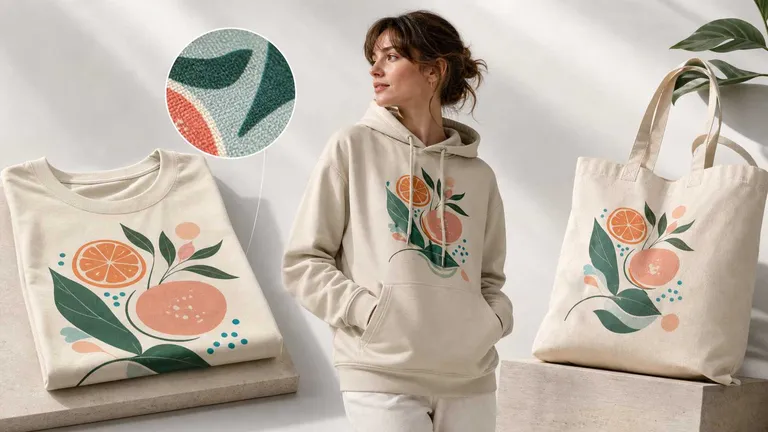
Once research identifies promising directions, move immediately to visual validation. Take your candidate product design and generate it across different mockup scenarios. If you're selling a custom hoodie, for example:
- Show it on a model in an urban lifestyle setting
- Show it flat-laid on a minimalist background
- Show it in a cozy home environment
- Show detail shots of printing quality and fabric texture
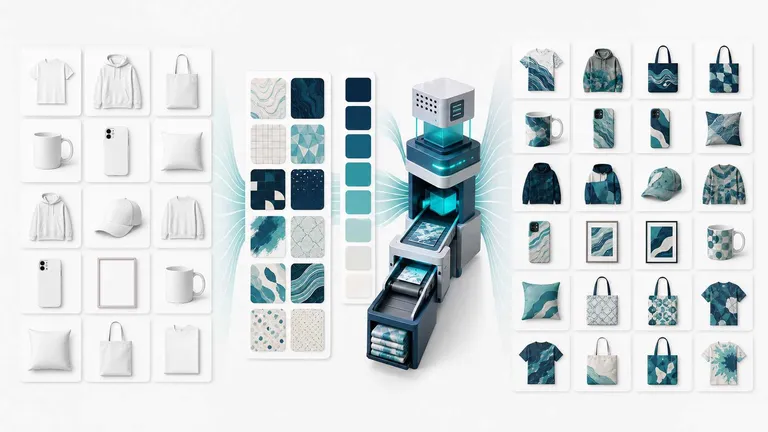
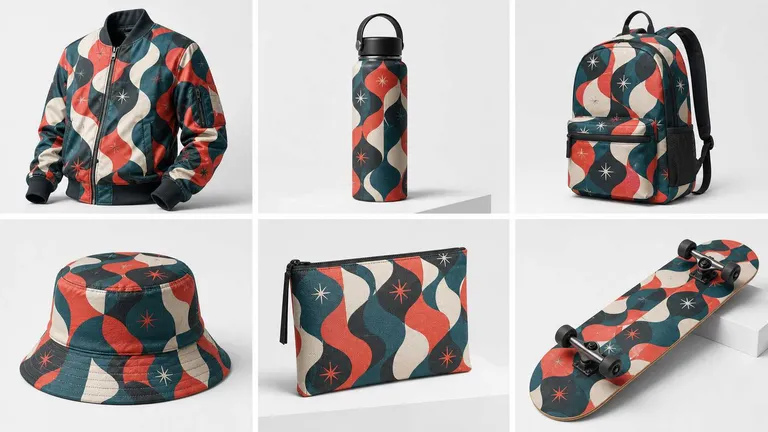
Tools like Mockuplabs offer "mockup any image" flexibility. You aren't limited to traditional template libraries; you can instantly transform any photo you have—such as an image of your own hoodie product or a coffee shop storefront—into a usable mockup. Alternatively, you can immediately select from the mockup template library to generate dozens of realistic product visuals across different model templates. This batch approach is crucial, as you move beyond a single visual to testing multiple interpretations of how customers will perceive the product.
Instantly Generate Dozens of Realistic Mockups
Stop guessing and start validating. Upload your design and instantly create 10+ high-quality visuals across different scenes and contexts for rigorous A/B testing.
Strategies for Testing Across Channels
Now that you have mockup variations, test them where your future customers are:
- Social Media: Upload variations to Instagram or TikTok. Monitor saves and engagement to see which style resonates.
- Ad Campaigns: Run small-budget A/B tests on Meta or Google. Test "lifestyle vs. product-only" images and track the Cost Per Purchase.
- Surveys: Use platforms like PureSpectrum to show respondents your mockups. Ask them directly which design appeals most and what price they would pay.
- Email Marketing: If you have an existing list, email small segments with different versions to measure click engagement.
The goal: gather real market signals before committing to production or large ad spend.
Refine Based on Mockup Performance Data
Subsequently, you must track which mockup style generates the highest engagement; for instance, a 40% outperformance for lifestyle images signals customers respond better to context and imagination. Use this performance data to refine your product direction, such as adjusting the design's color or scene context to validate a true winner. Furthermore, if you need to quickly tweak colors to optimize conversion, utilize the smart color changer to iterate rapidly without tedious re-uploading files. Ultimately, this efficient, data-driven iteration process ensures you move forward only with validated concepts.
The Complete Research-to-Launch Workflow
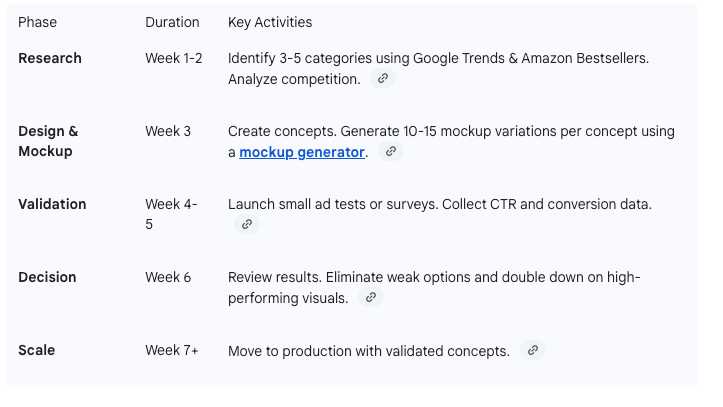
To visualize how this process flows, refer to the timeline below. This framework compresses months of uncertainty into weeks of rapid testing.
Why This Approach Reduces Risk
Without mockup validation, you are essentially guessing based on research data alone. You might launch a product that the data says should sell, but customers reject it visually. Consequently, you waste time and money on inventory.
Conversely, mockup testing compresses the feedback loop. You learn what works before committing significant capital. If a mockup performs poorly in testing, you simply iterate the design. However, if a mockup crushes engagement benchmarks, you can scale with absolute confidence.
Start Validating Your Winners Today
Stop wasting budget on unproven designs. Access our full library of realistic templates to test your ideas before you spend a dime on ads.
Conclusion
In conclusion, learning how to research if potential new product would sell is no longer a mystery. It requires a synergy of hard market data and realistic visual verification. By integrating trend analysis with rigorous mockup testing, you effectively validate the complete customer experience.
This process saves you from the pitfalls of launching unwanted products. Start applying this workflow today: research your niche, generate diverse mockups, and let real audience data guide your decisions. Ultimately, letting customer signals guide your launch is how winning brands are built.
Frequently Asked Questions(FAQs)
Q: How many mockup variations should I test for each product?
It is recommended to test at least 5-10 variations per product. Vary the backgrounds, scenes, angles, and lifestyle contexts to get enough data to identify clear patterns in what resonates with your audience.
Q: Can I use product research tools alone without mockup testing?
You can, but you will miss critical feedback about visual appeal. Research tools validate market demand for a category, whereas mockups validate whether your specific design meets that demand effectively.
Q: How long should I run mockup tests before deciding to launch?
Run tests for 2–4 weeks, gathering at least 500–1000 ad impressions or survey responses per mockup variant. This provides statistically meaningful data without over-committing a budget
Q: Which mockup style performs best for POD products?
This varies by category. Test multiple styles: lifestyle scenes often outperform flat-lay for apparel, while minimalist backgrounds work well for tech and home goods. Let your test data guide you.