 blog
blogBoost Average Order Value: The Visual Strategy for AOV Growth
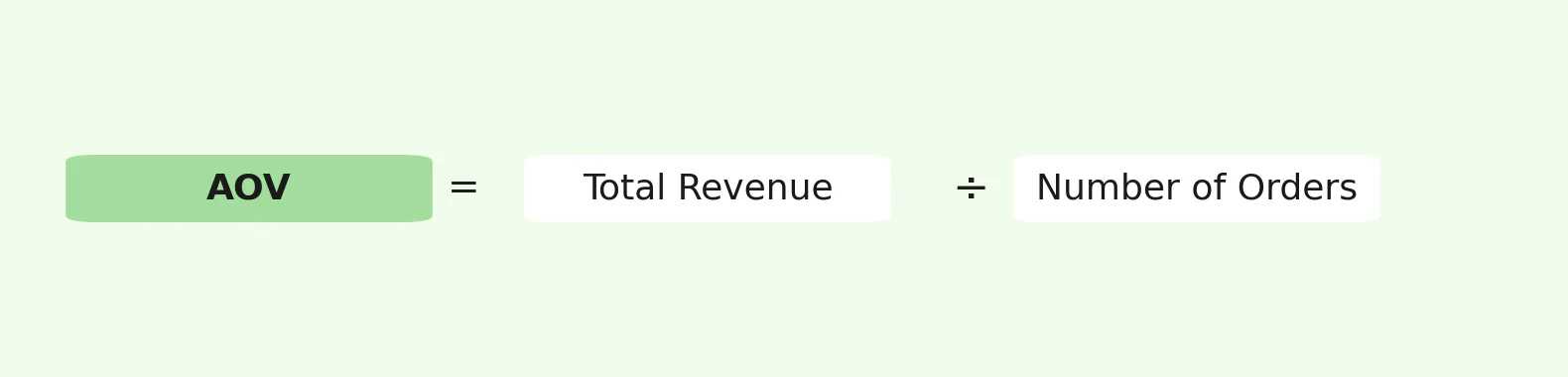
In the competitive world of e-commerce, customer acquisition costs are steadily increasing. Consequently, relying solely on new visitors to drive revenue is no longer a viable long-term strategy. Smart brands are shifting focus to a more efficient metric: Average Order Value (AOV). Understanding what is AOV is the first step toward sustainable growth, defining the metric as the total revenue divided by the number of orders.
The true AOV meaning marketing lies in its efficiency; it ensures you maximize profit from every visitor you already have. By encouraging customers to spend more per transaction, you multiply the return on your marketing investment. This article explores how to combine specialized Shopify apps, loyalty programs, and high-quality visual assets to build a sustainable growth engine.
Table of Contents
- AOV and Loyalty: The Overlooked Growth Levers
- The Tool Combination Strategy
- Conclusion
- Frequently Asked Questions
1. AOV and Loyalty: The Overlooked Growth Levers
Understanding the mechanics of growth starts with the basics. Average Order Value is calculated using a simple formula:
[source:https://www.shopify.com/blog/average-order-value]
While straightforward, this metric is often more powerful than traffic volume.
Why prioritize AOV? Research consistently shows that retaining an existing customer is significantly cheaper than acquiring a new one. Therefore, spending efforts to lift your AOV is a powerful lever for immediate profitability.
The Compound Effect of Loyalty
Loyalty is the ultimate repurchase driver in this strategy. When you successfully increase your average order value, and combine it with improved purchase frequency, the Customer Lifetime Value (LTV) sees exponential growth. For instance, increasing the repeat purchase rate by just 10% can dramatically impact LTV.
To achieve this, three elements must work in unison:
- Upsells: Solving the immediate need to "buy more."
- Reviews: Establishing the "trust foundation."
- UGC: Creating a "social proof loop" that drives future repurchase.
If any of these pillars are missing, the growth structure becomes unstable.
2. The Tool Combination Strategy
Achieving high AOV requires more than just installing software; it demands high-converting visual content to empower your tools. This section details how Shopify apps can be utilized with a visual-first approach.
2.1 Shopify Upsell Apps: Visual Prompts
Integrating an upsell app into your Shopify store is essential. Yet, successful upselling relies on where and how you present the offer. There are three critical touchpoints:
- Product Page: Offer complementary bundles or similar items.
- Cart Page: Use intelligent recommendations with side-by-side comparisons.
- Post-Purchase: Create urgency with "limited time" add-ons after checkout.
Real-World Case Study: The POD Success Story
A clothing brand specializing in print on demand shirts struggled when customers only bought the individual shirt, neglecting related accessories. The challenge for many print on demand services is visualizing a cohesive look.
The solution was to stop listing items individually and start showing a complete "look" using professional-grade mockups. For example, they used a mockup generator to generate a full scene showing the same design pattern on the t shirt mockup, a hat, and a phone case.
- The Result: The bundled visual increased the "add-to-cart" rate significantly.
- The Impact: AOV jumped from $28 to $38.
Tips: A/B Testing Framework
To replicate this, you must test your variables. Compare a standalone product image against a scene-based mockup. Monitor your upsell acceptance rate and overall conversion to see which visual drives the highest AOV.
Use mockup generator to visualize any design instantly.
Don't let low-quality images kill your upsell potential. Create stunning, high-converting product visuals that encourage customers to add more to their carts.
2.2 Reviews + UGC: Visual Social Proof
Reviews are much more than just a star rating; they are a critical content generation engine. Every photo and comment collected through your Shopify apps provides valuable, authentic source material.
Upgrading User-Generated Content (UGC) A critical issue for any clothing brand is that user photos, while authentic, are often low-quality, potentially detracting from the brand aesthetic.
- Solution: Integrate the user-submitted content into a branded visual framework.
- Example: After collecting photos of customers wearing their products, the brand filters the images. They then use shirt mockup templates to integrate the design into a refined template (e.g., a stylized "Customer Photo of the Day" frame).
- Effect: This method ensures the content is both "real" and "refined," leading to a 40-60% increase in UGC conversion rates. To further scale this impact, you can implement a comprehensive ugc strategy that leverages AI to automate the video creation process from these filtered assets.
Loyalty points are abstract numbers, but rewards are tangible desires. To make your loyalty program effective, you must visualize the reward. Instead of saying "Redeem 500 points," show a high-resolution mockup of the product they can earn.
Furthermore, you can use smart color changer features to show the reward product in the customer's favorite color. This personalization makes the goal feel attainable and desirable.
Pro: The Collaborative Workflow
- Reviews collect initial content (e.g., photos of print on demand shirts).
- UGC tools filter and approve the highest-quality submissions.
- Mockups are used to unify the visual style and elevate the presentation.
- Loyalty platforms leverage these refined visuals in emails to drive future repurchase.
2.3 Recommended Tool Stack
To implement this strategy, consider this streamlined tech stack utilizing powerful Shopify apps:
- Upsell: ReConvert, Zipify OneClickUpsell.
- Reviews: Loox, Judge.me, Stamped.io.
- Loyalty: Smile.io, LoyaltyLion.
- UGC: Yotpo, Pixlee.
3.Conclusion
Ultimately, generating higher revenue is less about finding new traffic and more about maximizing the value of the traffic you already possess. AOV and loyalty are not siloed metrics; they are the result of a cohesive ecosystem. This system combines powerful Shopify apps with superior visual execution.
From the upsell presentation of your print on demand shirts to the visualization of a loyalty reward, every touchpoint must be supported by compelling, high-quality imagery to build desire and foster trust. By leveraging a tool that can instantly create high-quality tshirt mockup and scene-based visuals, you transform your store into an optimized, high-converting clothing brand.
4. Frequently Asked Questions(FAQs)
Q1: What is AOV and why is it more important than traffic?
AOV meaning is Average Order Value. It is more important because it focuses on profitability. Boosting AOV means you are maximizing the revenue per customer you already acquired, which is significantly more cost-effective than constantly finding new customers.
Q2: Will upselling annoy my customers on the site?
The key is relevance and presentation. If you use contextual mockups—like a shirt mockup paired with a matching accessory—customers perceive the offer as helpful curation. Using Shopify apps with strong visual customization minimizes customer annoyance compared to generic, irrelevant pop-ups.
Q3: How can I use visual assets to make loyalty programs a better repurchase driver?
Focus on visualizing the reward. Instead of showing a number of points, show a beautiful mockup of the specific product the customer can redeem. Making the reward tangible significantly increases redemption rates and acts as a better repurchase driver.
Q4: How can I ensure my print on demand shirts look professional in an upsell?
You should use high-quality t shirt mockup templates. This allows you to place your design onto a photorealistic garment in various contexts (lifestyle, flat lay) to instantly elevate the perceived value and make upsell bundles more appealing to your customers.
Q5: What is the main benefit of using a Color changer tool?
The main benefit of a Color changer feature is personalization. It allows customers to visualize the same product or design across all available colors instantly, which helps remove buying friction and can be used in targeted loyalty emails to show rewards in a customer's preferred shade.