Table of Contents
- Introduction
- Step 1: Choose Your Business Model
- Step 2: Use Keyword Search Tools to Validate Demand
- Step 3: Create High-Converting Mockups & Animations
- Step 4: Launch Your First 10 Etsy Listings
- Conclusion
- FAQs
Introduction
When people search for "how to start an Etsy shop," most guides focus on account setup and uploading photos. But success requires understanding three critical layers: what to sell, how to be found, and how to convert lookers into buyers.
This guide walks you through a complete, modern approach using product research, dropshipping and POD fulfillment, keyword research tools, and product mockups to launch your first Etsy listings with confidence. Whether you're building a side hustle or a full-time business, this framework compresses months of trial-and-error into weeks of strategic action.
Step 1: Choose Your Business Model—Handmade, POD, or Dropshipping
1.Why Many New Etsy Sellers Choose POD or Dropshipping?
The first decision isn't about design or marketing—it's about fulfillment. Handmade products demand inventory, time, and upfront investment. But POD (print-on-demand) and dropshipping solutions eliminate those barriers.
- Print-on-Demand (POD) works like this: you design a product (hoodie, mug, phone case, t-shirt), upload the design to a POD platform like Printify, Printful, or Gelato, and the platform handles printing, packaging, and shipping. You pay only for orders fulfilled. No inventory risk, no warehouse space, no upfront manufacturing costs.
- Dropshipping, while less common on Etsy, follows a similar model: you partner with suppliers who hold inventory and ship directly to customers on your behalf. You pocket the margin between your Etsy price and the supplier's cost.
For new sellers with limited capital, both models are game-changers. As research from Bootstrap E-commerce notes, Printify stands out for Etsy sellers because it connects to the largest supplier network, offering everything from clothing to home goods to tech accessories—all customizable and print-on-demand.
2.Choosing the Right Niche Before Opening Your Etsy Shop
Before launching, narrow your focus. Etsy thrives on specialization, not generalization. Pick one of these angle:
- Interest-based niches: Pet lovers, fitness enthusiasts, book readers, coffee fanatics (a "black cat hoodie for book lovers" beats generic hoodies)
- Occasion-based: Weddings, baby showers, birthdays, anniversaries, graduations
- Aesthetic-based: Minimalist, boho, cottagecore, kawaii, vintage, modern, eclectic
Why? Because narrow niches allow you to dominate keyword search categories. A seller targeting "home decor" gets buried. A seller targeting "boho minimalist wall art" ranks quickly.
Step 2: Use Keyword Search Tools to Validate Demand
1.How Etsy Keyword Research Fits Into How to Start an Etsy Shop
Before you design a single product, research what people are actually searching for. Keyword research tells you what potential customers want and how to match your products to their search terms.
Think of Etsy keyword search as the backbone of your SEO strategy. According to Marmalead's 2025 SEO guide, the sellers who dominate Etsy search results aren't the ones with the fanciest designs—they're the ones who understand customer search behavior and align their listings accordingly.
2.A Step-by-Step Workflow for Etsy Keyword Research
Here's a repeatable process:
Step 1: Brainstorm Seed Keywords
Start with 3–5 core terms describing your niche. Examples: "cat hoodie," "personalized mug," "minimalist wall art," "boho throw pillow." Write down anything you think customers might search.
Step 2: Check Etsy's Auto-Complete
Type your seed keyword into Etsy's search bar and watch what autocompletes appear. These are real, high-volume searches. For "cat hoodie," you'll see variations like "cat hoodie unisex," "cat hoodie gift," "personalized cat hoodie," "cat hoodie for men." Write these down.
Step 3: Use Keyword Research Tools
Plug your seed keywords into tools like eRank, Marmalead, EtsyHunt, or Keysearch. These tools show:
- Search Volume: How many people search this term monthly?
- Competition Level: How many listings target this keyword?
- Demand Trend: Is interest growing, stable, or declining?
You're looking for sweet spots: high search volume + low-to-medium competition.
Step 4: Expand to Long-Tail Keywords
Long-tail keywords are 3–5 word phrases. They're lower volume but often higher intent. For "cat hoodie," expand to:
- "minimalist cat hoodie for men"
- "cat hoodie gift for cat lovers"
- "cute black cat hoodie unisex"
- "oversized cat hoodie"
These phrases have less competition and often convert better because they're more specific.
Step 5: Analyze Top Competitors
Look at the top 5–10 listings ranking for your target keyword. Note their titles, tags, and descriptions. What keywords do they repeat? Which ones might you have missed?
3.Where Keywords Go in Your Etsy Listing
Once you have your keyword list, place them strategically:
- Title (140 characters max): Lead with your primary keyword, then secondary keywords. Example: "Minimalist Black Cat Hoodie – Unisex Cozy Hooded Sweatshirt, Cat Lovers Gift"
- Tags (13 available): Use all 13 tags. Mix high-volume and long-tail keywords. Use each tag slot; skipping tags wastes search real estate.
- Description (first 160 characters): The opening shows in Google search results, so make it keyword-rich. Example: "This minimalist cat hoodie is the perfect gift for cat lovers. Soft, cozy, and designed for everyday wear."
- Attributes & Categories: Select accurate product categories and attributes—they function as hidden keywords.
4.Connecting Keyword Research to Visuals
Here's the key insight: keywords are windows into customer imagination. When someone searches "minimalist cat hoodie," they're picturing a specific visual—likely clean design, simple lines, neutral colors, worn in a relaxed lifestyle context.
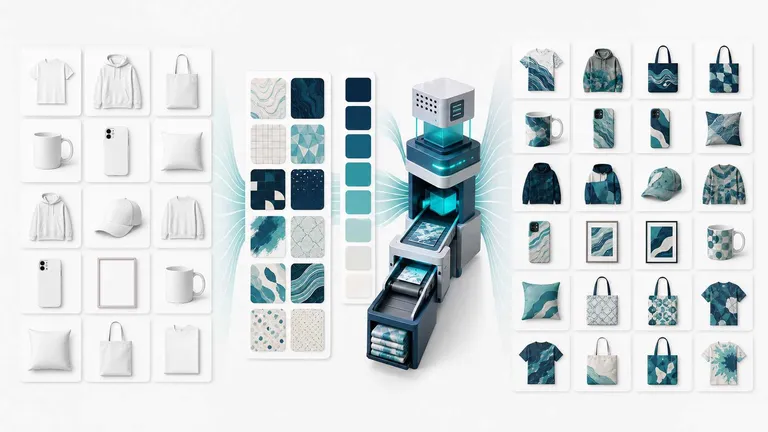
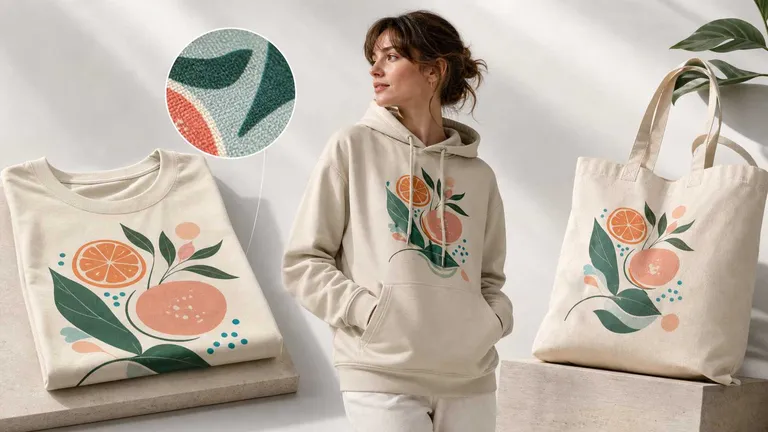
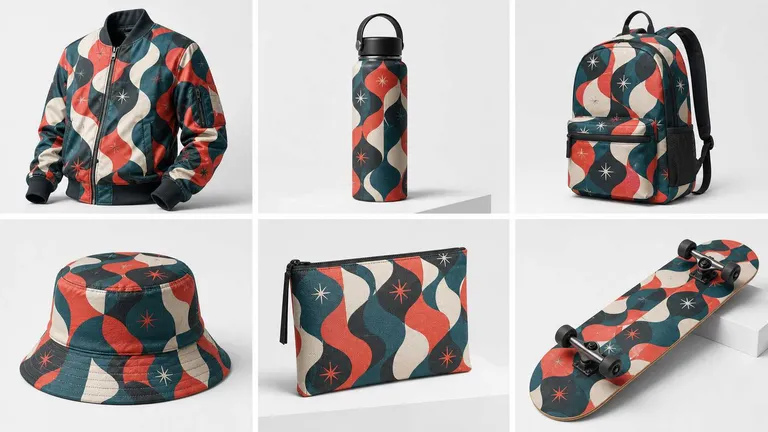
This is where product mockups enter the picture. You've used keyword research to understand what customers want; now you need mockups to show them how it looks. A minimalist-keyed customer won't click on an image with clashing colors or busy backgrounds. They'll click on clean, well-composed mockups that match their mental image.
Step 3: Turn Customer Search Terms Into Scroll‑Stopping Images and Animated Mockups
Keyword research tells you what shoppers are imagining; now your visuals need to prove that imagination right. When someone searches for a “minimalist cat hoodie,” they should see a thumbnail listing videos that feel exactly like the phrase they typed—clean lines, calm colors, and a relaxed lifestyle scene. Use a product mockup generator like Mockuplabs to translate your top keywords into matching scenes, then upgrade your best images into short animated mockups using simple image‑to‑video tools so the hoodie turns, the mug rotates, or the phone screen comes to life. Your goal is for buyers to think “that’s exactly what I had in mind” the moment your image or video appears in Etsy search. For precise Etsy listing photo sizes, video specs, and a full walkthrough of static and animated mockups, you can dive into Visual Guide in Etsy 2026 . Furthermore, to see how these visual principles translate into social media growth, check out our comprehensive guide on mastering instagram ads to scale your brand beyond Etsy.
Step 4: Put It All Together—Launch Your First 10 Etsy Listings
The 6-Week Launch Roadmap
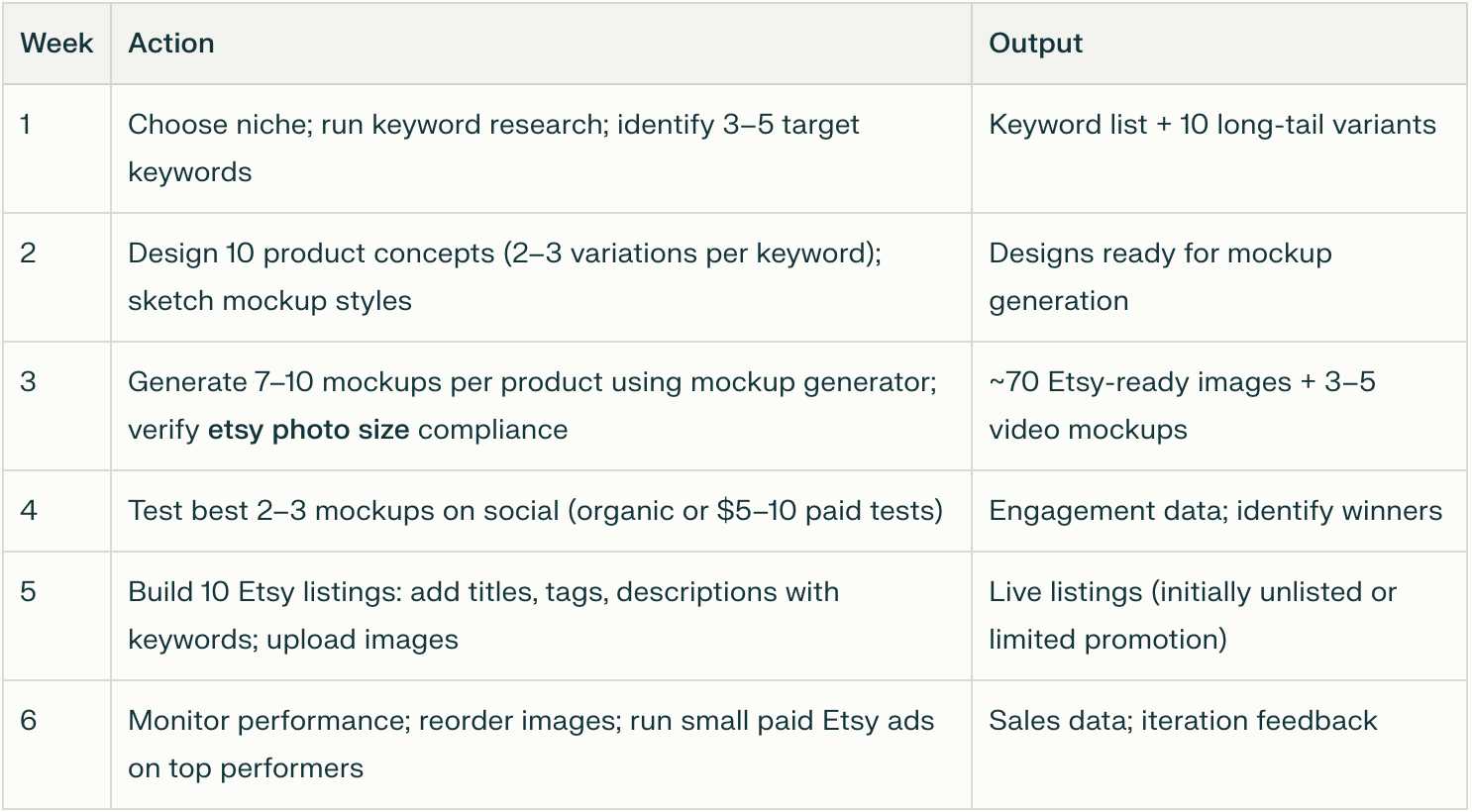
Launching Your First Listing—Complete Checklist
- Title (include primary + secondary keyword):
"[Primary Keyword] – [Descriptor 1], [Descriptor 2], [Subtype]"
Example: "Black Minimalist Cat Hoodie – Cozy Unisex Hooded Sweatshirt, Gifts for Cat Lovers"
- Tags (use all 13):
Primary keyword, long-tail variants, brand name, materials, occasion, buyer type.
Example: "cat hoodie," "minimalist cat hoodie," "cat hoodie unisex," "cat hoodie gift," "black hoodie," etc.
- Description (first 160 characters matter):
"Cozy minimalist cat hoodie perfect for cat lovers. Unisex design, premium fabric, ideal gift for birthdays and holidays. Soft, warm, stylish."
- Images (upload 7–10):
- Hero mockup (clean background, centered product)
- Lifestyle scene (person wearing it)
- Detail shot (close-up of print)
- Color variation (if available)
- Size guide (if helpful)
- 6–10. Additional angles or use-cases
- Video (optional but recommended):
One 10–15 second animated mockup showing the hoodie in motion.
- Shipping & Price:
Connect to your POD partner's fulfillment settings. Etsy and Printify / Printful integrate, so when orders come in, they're automatically sent to printing.
Conclusion
Starting an Etsy shop in 2026 isn't about luck—it's about system. Use keyword research tools to understand what customers search for. Use POD and dropshipping platforms to eliminate inventory risk. Use product mockups to visualize your ideas and test them with real audiences. And use data (CTR, engagement, conversion) to decide what to scale.
The best part: this entire workflow is available to anyone, regardless of design skill or capital. Beginners with $0 and 10 hours can launch 10 listings that compete with professionals. The difference is clarity—knowing exactly what to sell, how to present it, and how to validate before committing heavy resources.
Start this week. Pick one niche. Run keyword research. Generate 5 mockups. Test them. Launch 2 listings. Let real customer signals guide your next 10. That's how profitable Etsy shops get built!
FAQs
Q: Do I need inventory to start an Etsy shop if I use dropshipping or POD?
A: No. Both POD and dropshipping eliminate inventory. You design or source products, upload them to Etsy, and orders are fulfilled by your partner automatically. You pay only for orders fulfilled. This is ideal for beginners testing products without risk.
Q: Which keyword research tools are best for new Etsy sellers?
A: Marmalead, eRank, EtsyHunt, and Keysearch are industry leaders. Free alternatives like Etsy's built-in search suggestions and Google Trends work too, but paid tools save time by analyzing competition and demand simultaneously. Start free; upgrade if you scale beyond 20 listings.
Q: How many photos and videos should each Etsy listing have?
A: Minimum 5 photos, maximum 10. Most successful sellers use 7–8 photos (hero image, lifestyle shots, details, variants) plus 1 video. Each image must meet etsy listing photo size specs: at least 2,000px on the shortest side. Videos should be 10–15 seconds.
Q: Can I use the same mockups for Etsy listings and for ads on TikTok or Instagram?
A: Yes, with adjustments. Generate your primary mockup at 3,000 x 2,250 pixels (Etsy specs), then crop and resize for platform needs: square (1,080 x 1,080) for Instagram, vertical (1,080 x 1,920) for TikTok Stories, landscape (1,200 x 628) for Facebook. One high-quality mockup seeds multiple platforms.
Q: Is it okay to start an Etsy shop with only mockups and no real product photos?
A: For POD sellers, absolutely. Since you don't have physical samples, mockups are your product photos. They're actually preferable to amateur photography because they show idealized contexts that buyers aspire to. Just ensure they're professional-quality and accurately represent the product.
Q: How long before I see Etsy sales after launching listings?
A: Depends on your keyword strategy and competition. If your keywords are low-competition, you might see sales in weeks. High-competition categories take 2–3 months to rank. That's why keyword research is so critical—target keywords you can actually rank for as a new seller.
Q: What item sells the most on Etsy in North America?
A: Jewelry leads as Etsy's top-selling category, with necklaces, personalized pieces, earrings, and bracelets dominating due to high demand for customizable, affordable luxury items. In 2025, Home & Living follows closely, generating billions in sales from wall art, candles, and personalized decor amid eco-friendly and personalization trends.